




CXC Home | Search | Help | Image Use Policy | Latest Images | Privacy | Accessibility | Glossary | Q&A
1
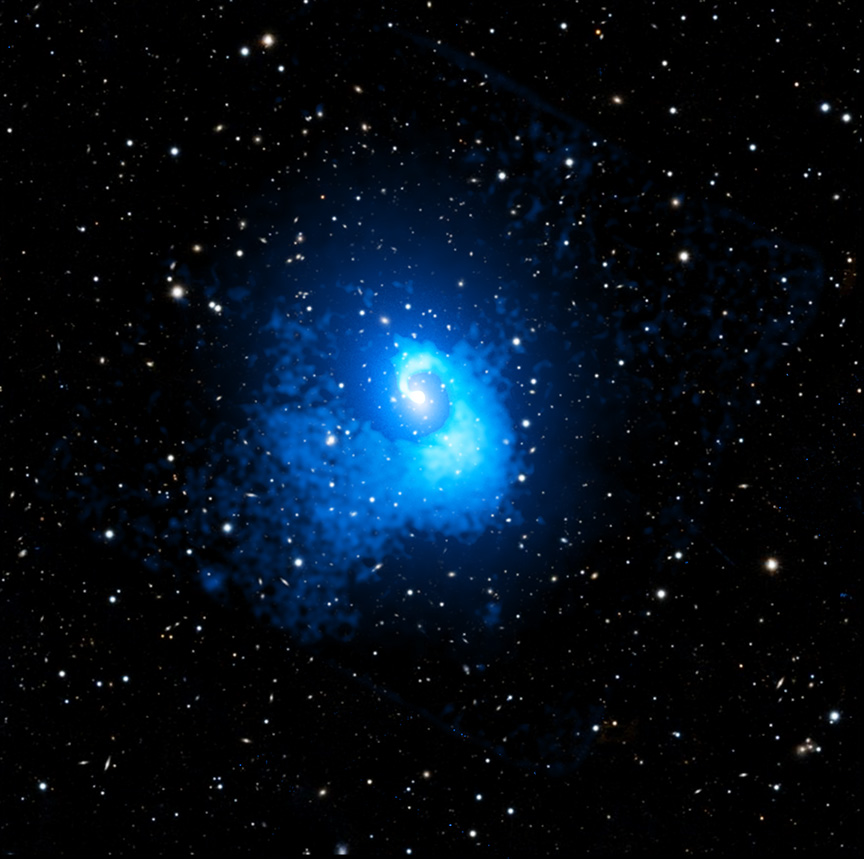
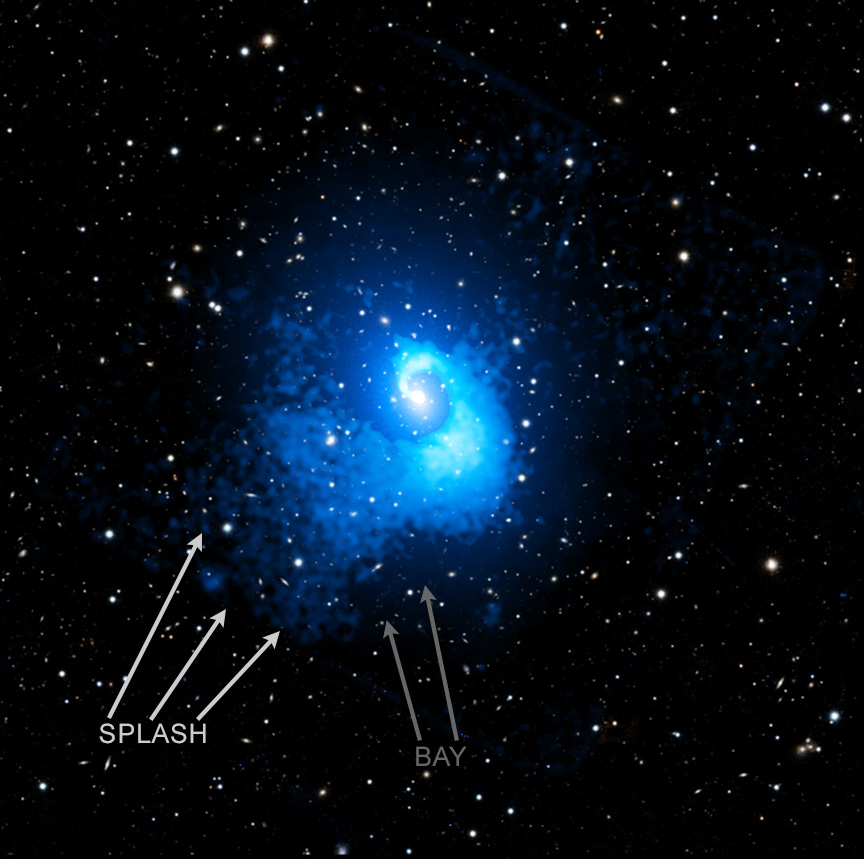
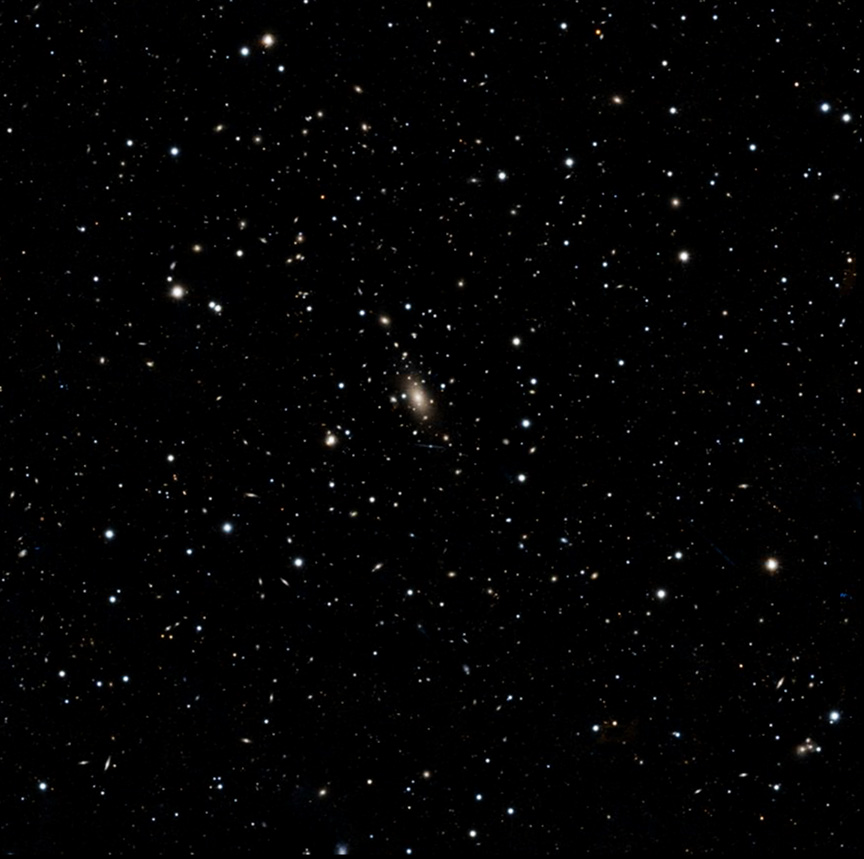
X-ray & optical Images of Abell 2029Credit: X-ray: NASA/CXC/CfA/C. Watson et al.; Optical: PanSTARRS; Image Processing: NASA/CXC/SAO/N. Wolk and P. Edmonds
Chandra observations of the Abell 2029 galaxy cluster show that Abell 2029 is still settling down after colliding with another smaller cluster about four billion years ago. These images show evidence for the cluster’s previous activity that includes the nautilus-like shape in the Chandra data. Optical light from stars and galaxies in the same field of view appears mainly white in an optical image from Pan-STARRS. Researchers think the spiral shape in the hot gas formed when gas in the cluster sloshed to the side because of the gravitational effects of the cluster collision — similar to how wine moves in a wine glass.
2
3D Printable Files: Abell 2029(3D Print Credit: NASA/CXC/A. Jubett, using software by Tactile Universe/N. Bonne & C. Krawczyk & Blender)
This tactile plate is a physical relief map based on the intensity of X-ray and optical data, showing a galaxy cluster with a unique spiral shape, giving it the appearance of a giant galactic seashell floating in star-speckled space.
In this plate, the surrounding stars and individual galaxies appear as small raised bumps, captured in optical light from Pan-STARRS, a telescope in Hawaii. A spiraling cluster is raised above the surface of the plate, representing X-ray gas observed by Chandra. This super-heated gas fills the space between galaxies, giving the cluster its spiral shape when observed by scientists using an X-ray telescope. Here, the spiral begins as a concentrated dot at the center of the cluster. The spiral stream of gas then widens as it moves away from the center of the cluster, gently corkscrewing one full rotation as it extends two million light-years into the distance
In this plate, the surrounding stars and individual galaxies appear as small raised bumps, captured in optical light from Pan-STARRS, a telescope in Hawaii. A spiraling cluster is raised above the surface of the plate, representing X-ray gas observed by Chandra. This super-heated gas fills the space between galaxies, giving the cluster its spiral shape when observed by scientists using an X-ray telescope. Here, the spiral begins as a concentrated dot at the center of the cluster. The spiral stream of gas then widens as it moves away from the center of the cluster, gently corkscrewing one full rotation as it extends two million light-years into the distance
Return to: Galaxy Cluster Relaxed Now, but was Wild in the Past (May 12, 2026)


Revised: May 12, 2026