




CXC Home | Search | Help | Image Use Policy | Latest Images | Privacy | Accessibility | Glossary | Q&A
1
X-ray, Optical, & Infrared ImagesSonification Credit: NASA/CXC/SAO/K.Arcand, SYSTEM Sounds (M. Russo, A. Santaguida)
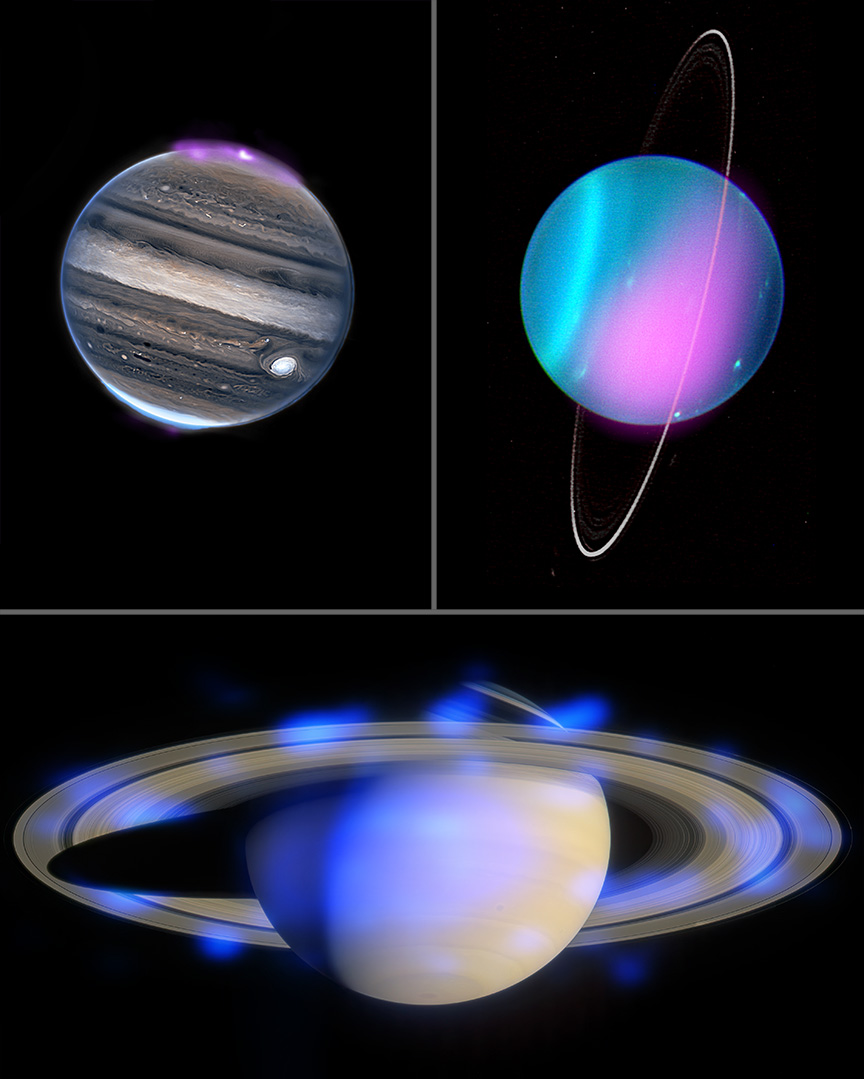
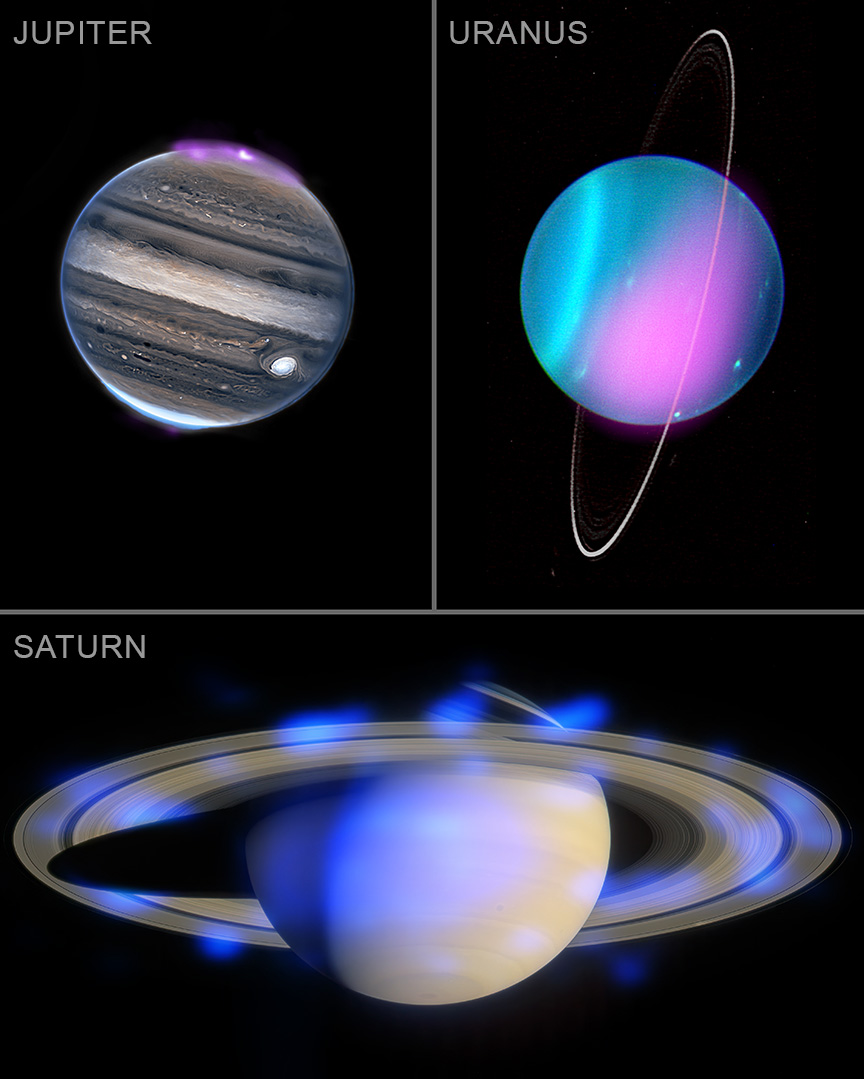
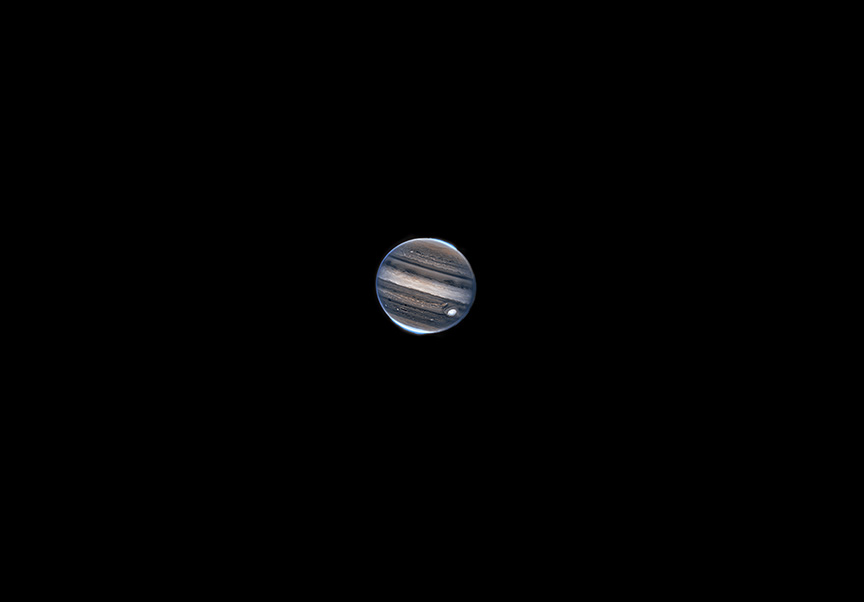
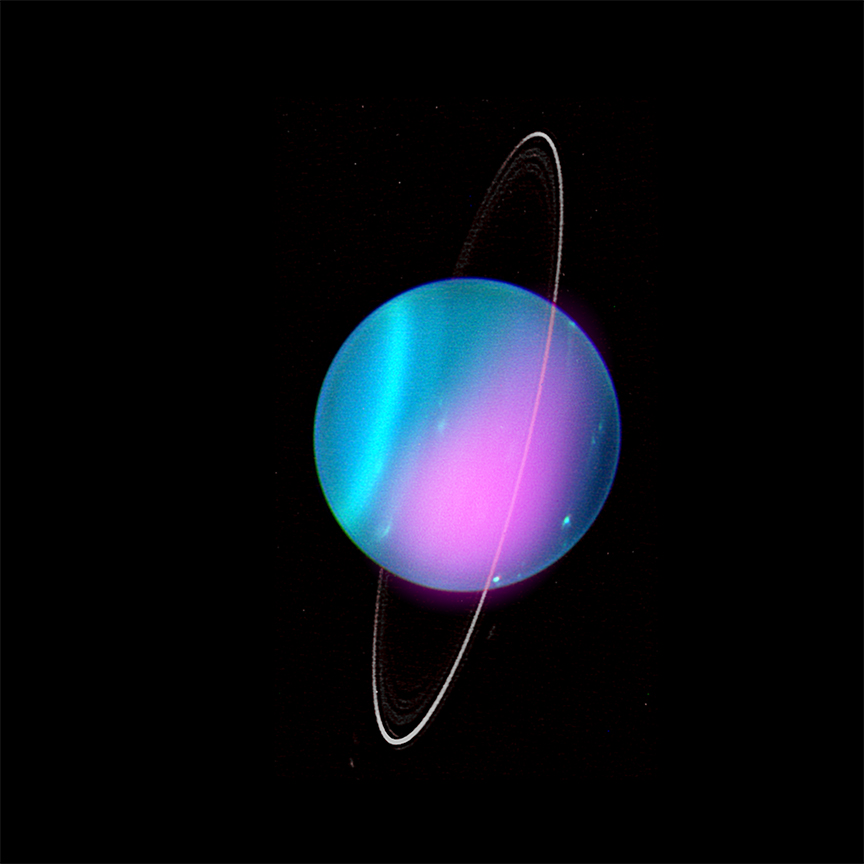
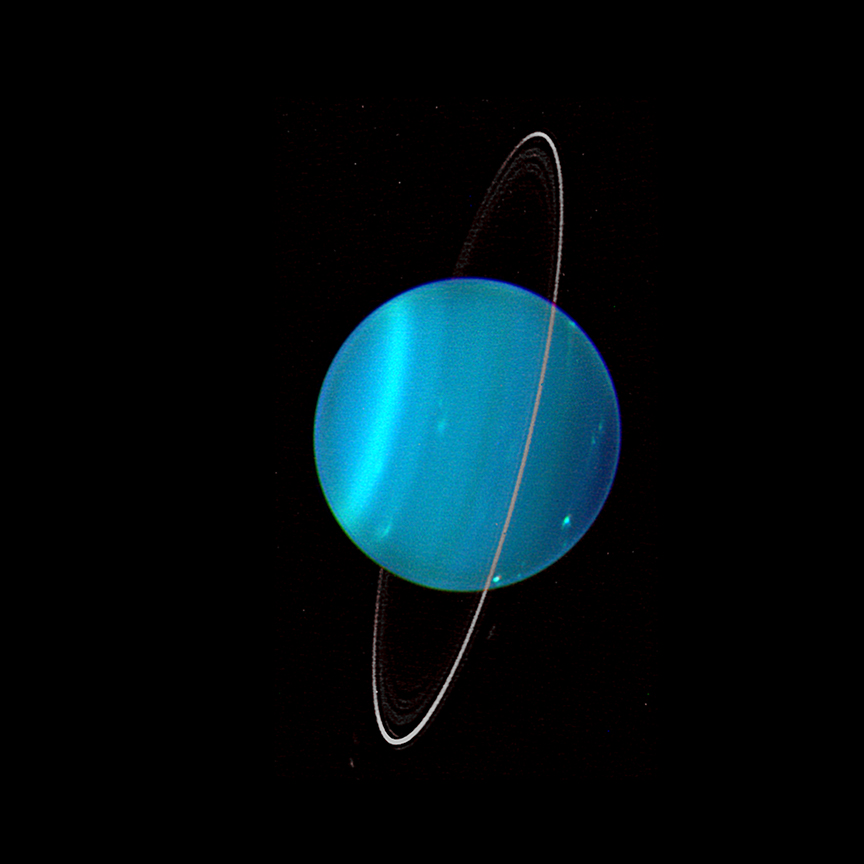
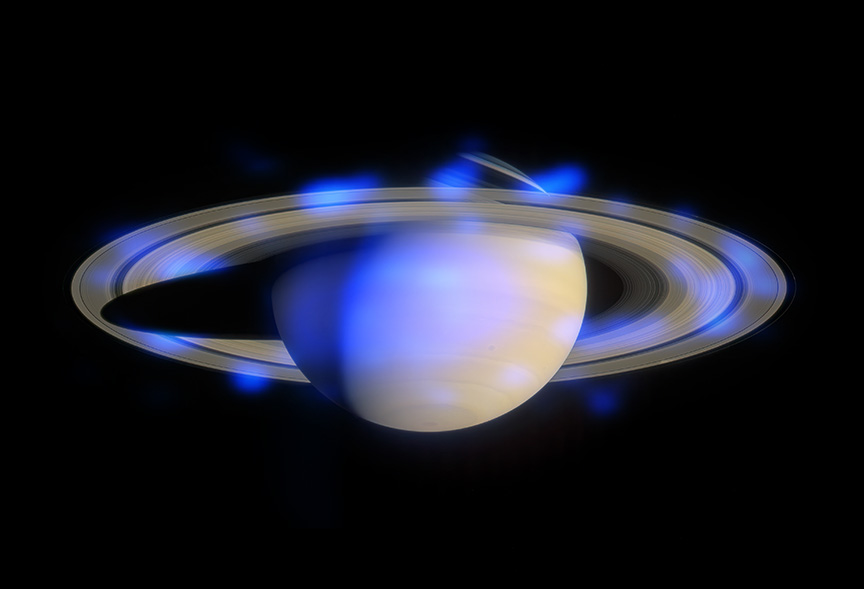
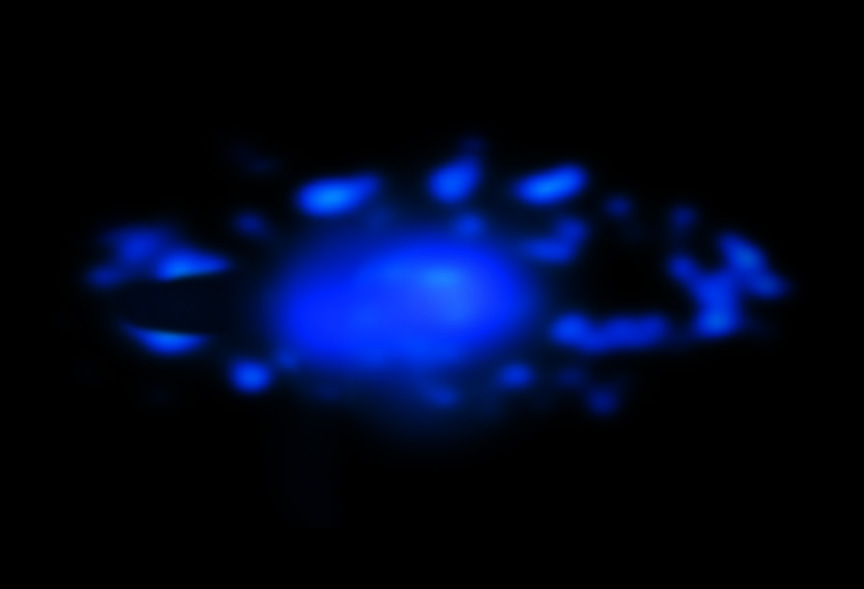
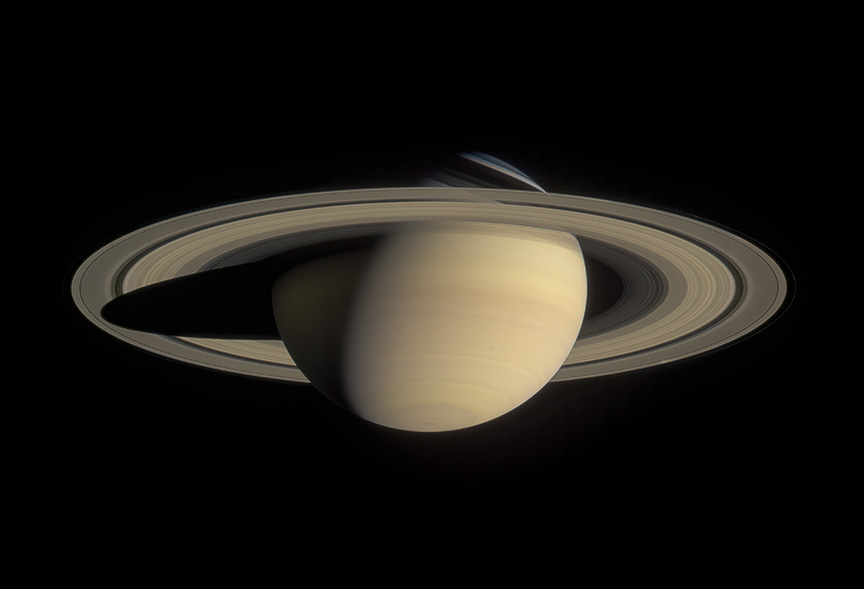
To commemorate a six-planet alignment in late February 2026, Chandra released sonifications of three of those planets: Jupiter, Saturn, and Uranus. While Chandra is best known for its X-ray insight into black holes and other extreme objects, the Sun gives off X-rays that travel out into the Solar System and can be reflected by planets, moons, and other bodies. Chandra observes these reflected X-rays and provides new insight into the planetary bodies. Sonifications of Chandra data and other telescopes of these planets allow audiences to experience astronomical data in different ways. [Listen to the sonifications here].
2
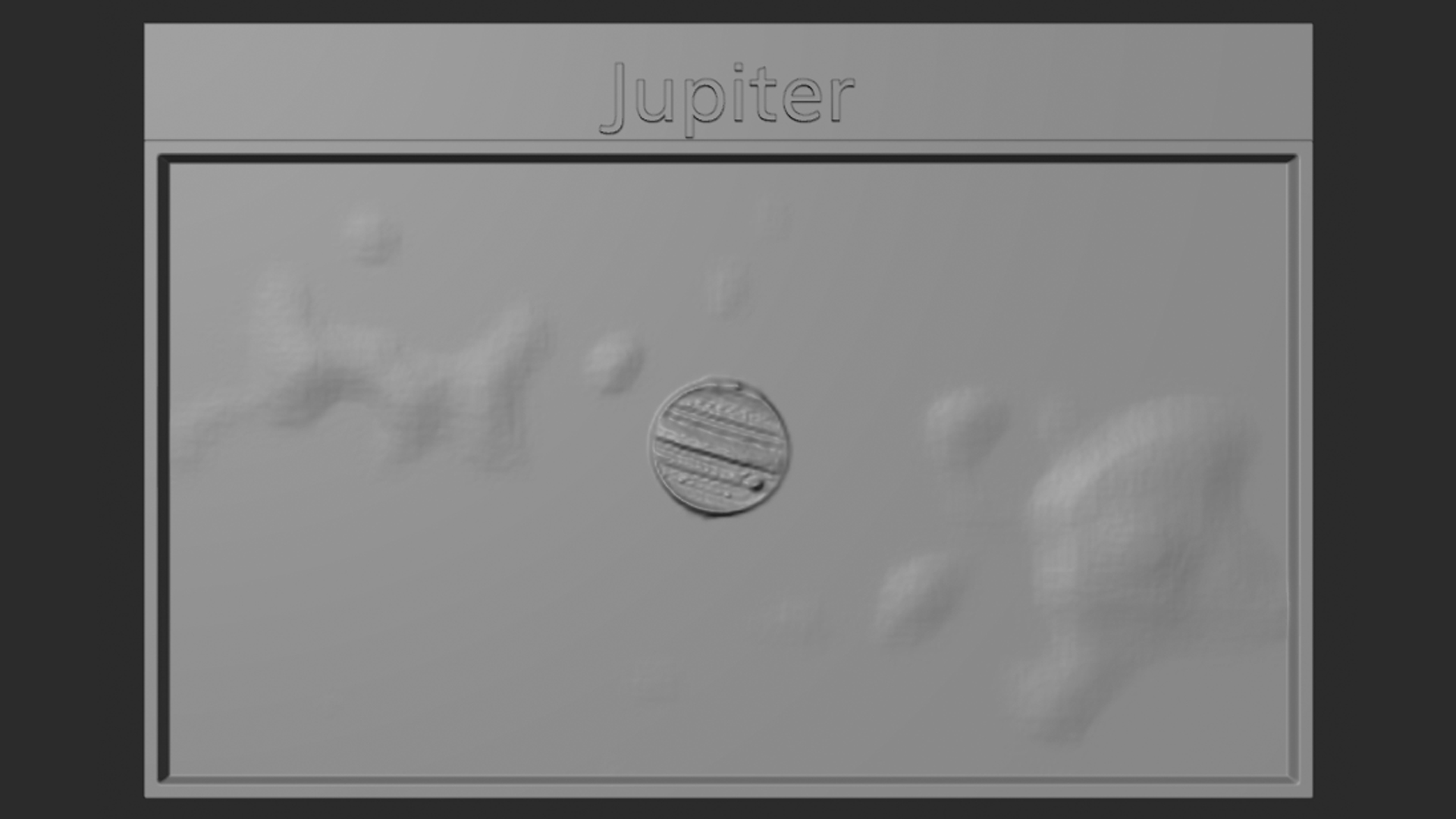
3D Printable Files: Jupiter (3D Print Credit: NASA/CXC/A. Jubett, using software by Tactile Universe/N. Bonne & C. Krawczyk & Blender)
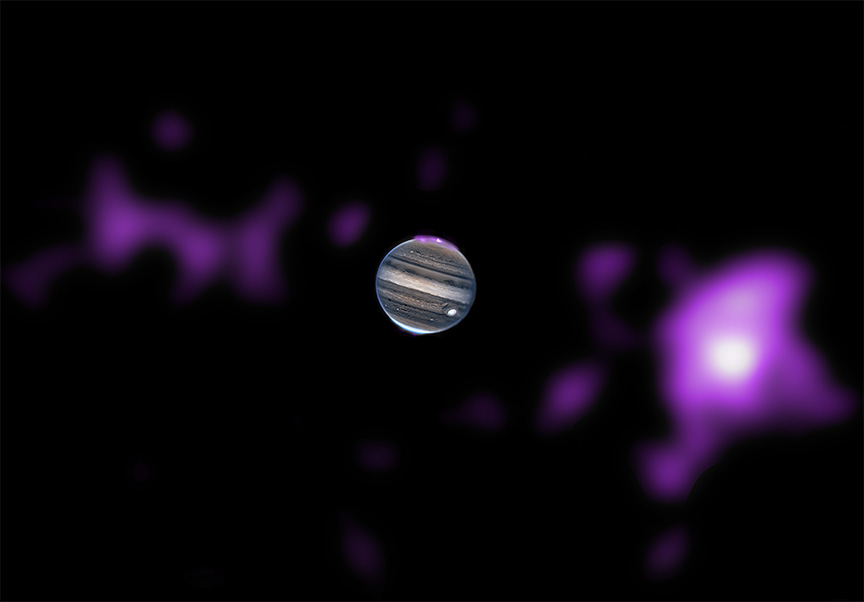
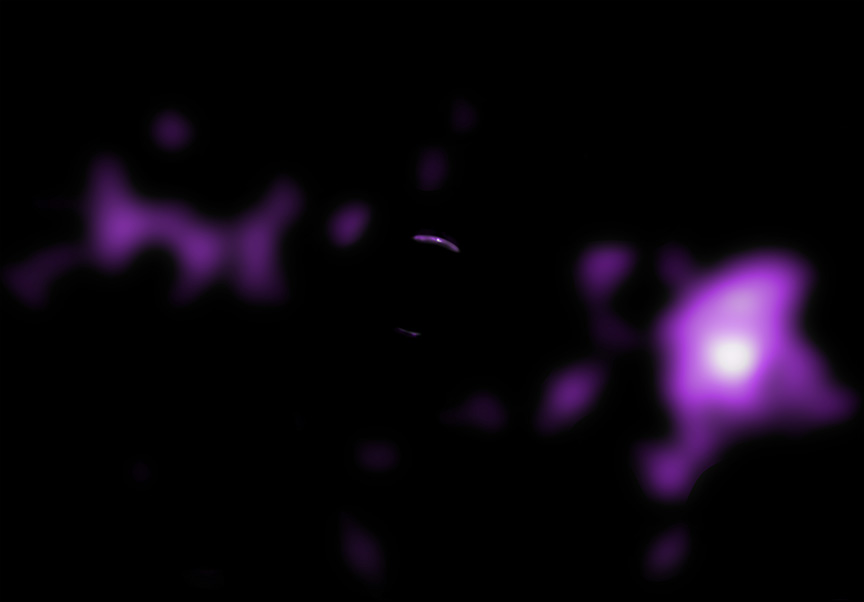
This tactile plate is a physical relief map based on the intensity of X-ray and infrared data, showing Jupiter. The fifth planet from the sun is set against the vastness of space, flanked by puffy blobs. Jupiter is presented in exceptionally clear focus. More than a dozen bands of swirling gas streak the surface, each a different texture. The gas giant is encircled by a fine ring, and a large storm swirls on its surface at our lower right. At the top edge of Jupiter, tilted just to our right of center, is a slightly fuzzy, raised strip. A similar, smaller line can be found at the bottom edge of the planet. Capping the planet’s magnetic poles, these strips represent X-ray auroras, created when high-energy particles collide with gas in the planet’s atmosphere. At our right and left, large blobs flank Jupiter, some larger than the gas giant itself. Like the auroras, these clouds represent X-rays observed by Chandra.
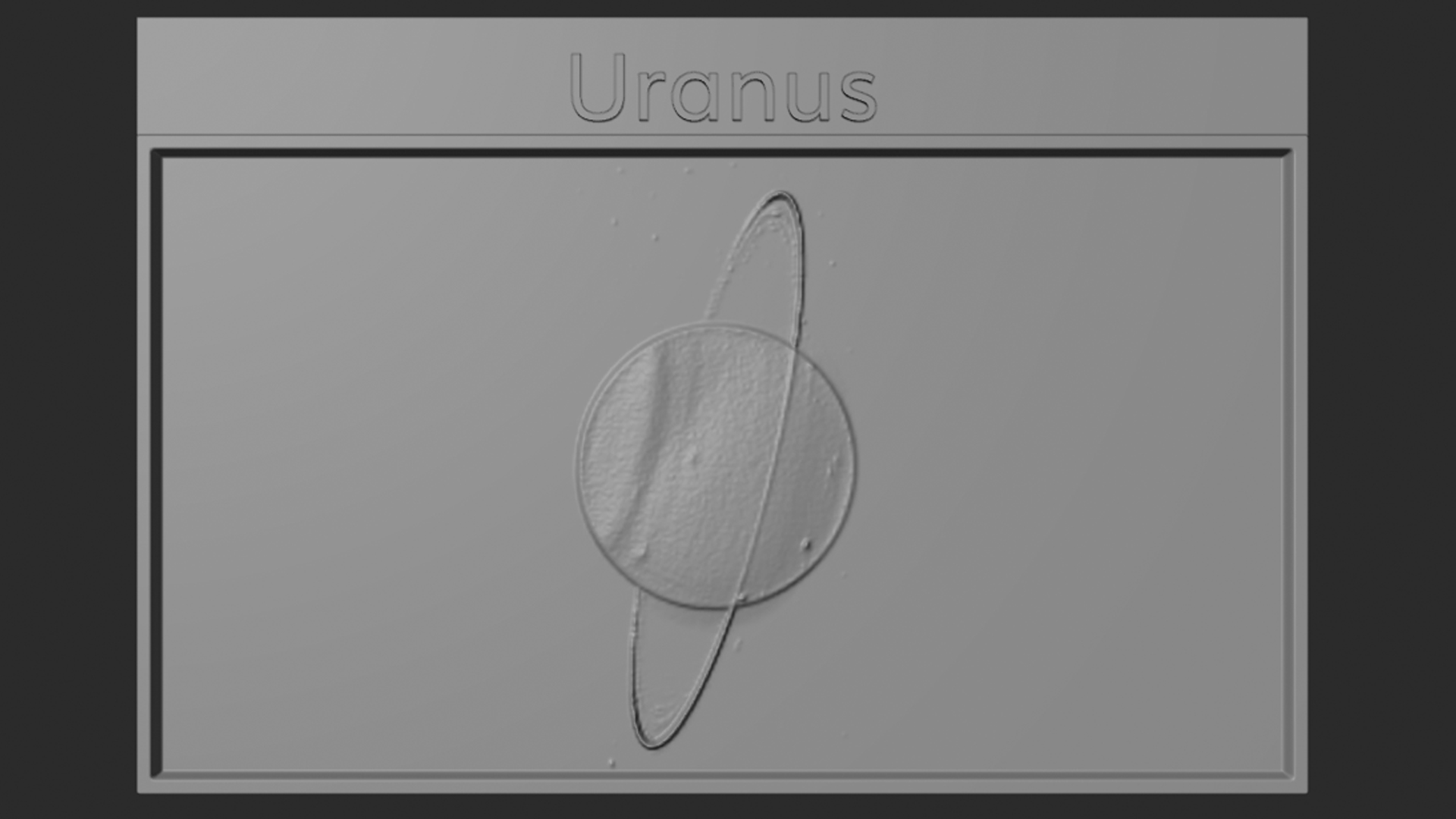
3D Printable Files: Uranus
(3D Print Credit: NASA/CXC/A. Jubett, using software by Tactile Universe/N. Bonne & C. Krawczyk & Blender)
(3D Print Credit: NASA/CXC/A. Jubett, using software by Tactile Universe/N. Bonne & C. Krawczyk & Blender)
This tactile plate is a physical relief map based on the intensity of Chandra X-ray and Keck optical data. In the composite plate, the icy giant is defined in optical data as a circle, with an irregular bump of X-rays hovering over its core. Uranus has a collection of very narrow rings, much finer than the wide disk-like rings surrounding Saturn. In this plate, the fine rings are near vertical and slightly tilted, creating an oval shape with rounded points at our lower left and upper right.
3D Printable Files: Saturn
(3D Print Credit: NASA/CXC/A. Jubett, using software by Tactile Universe/N. Bonne & C. Krawczyk & Blender)
(3D Print Credit: NASA/CXC/A. Jubett, using software by Tactile Universe/N. Bonne & C. Krawczyk & Blender)
This tactile plate is a physical relief map based on the intensity of X-ray and optical data, showing Saturn with its iconic rings. Saturn’s broad bands have been captured in crisp detail from Cassini, and are speckled with solar X-rays striking oxygen atoms in the icy particles, causing them to fluoresce. The X-rays from the rings as detected by NASA’s Chandra X-ray Observatory mostly come from the B ring, which is about 25,000 kilometers wide and is about 40,000 kilometers (25,000 miles) above the surface of Saturn (an inner ring in the optical data). An apparent concentration of X-rays on the morning side (left side in the plate) could be due to additional solar fluorescence from clouds of fine ice-dust particles that are lifted above the surface of the rings by meteoroid impacts on the rings.
Return to: Listen to This Month's "Planetary Parade" with NASA's Chandra (February 25, 2026)


Revised: February 25, 2026